
6 Steps to Getting My Period Back with PMOS (formerly PCOS)
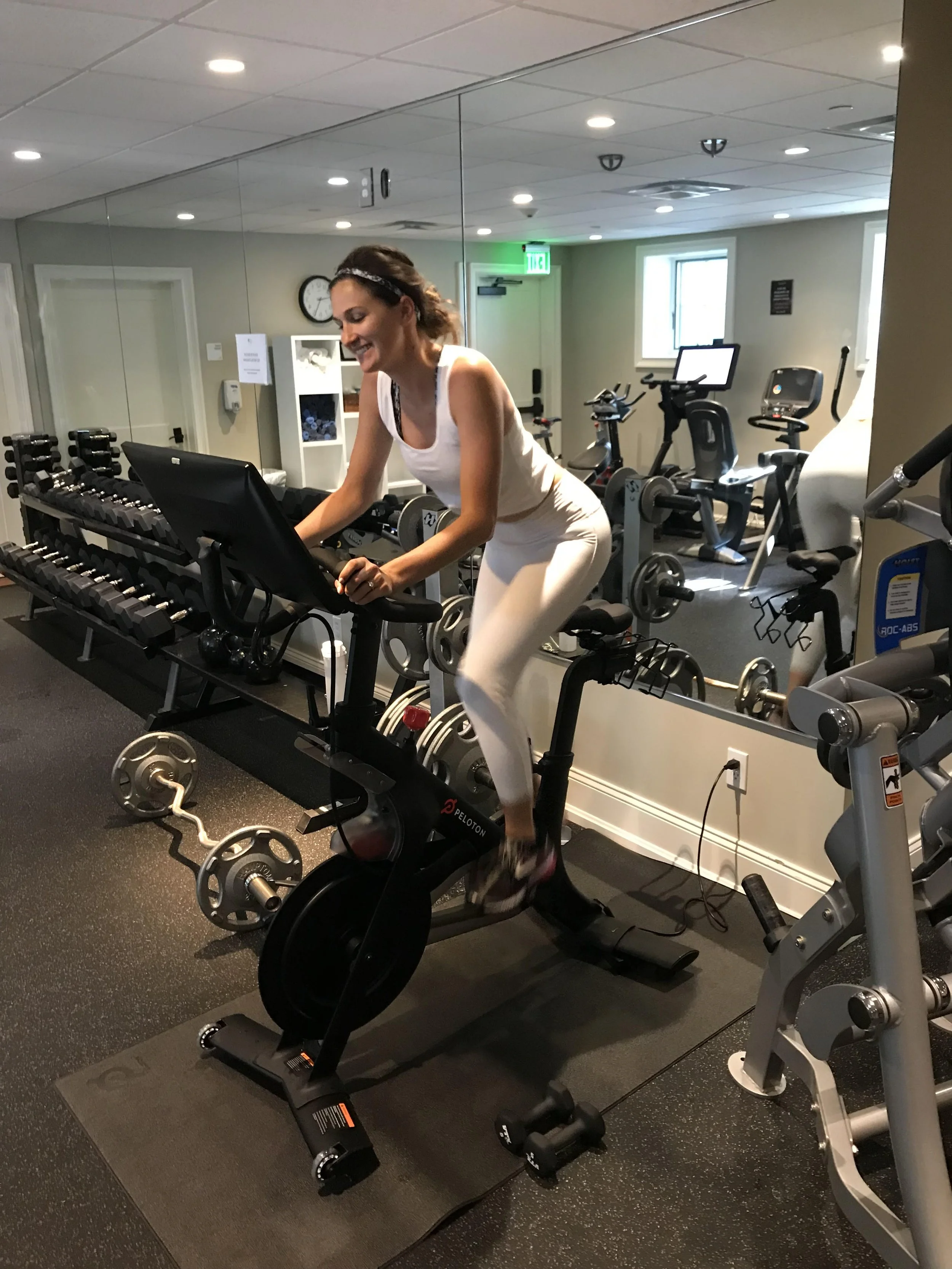
Given how many women have PMOS today (over 10% of women of reproductive age!), it amazes me how few documented success stories are out there around reversing PMOS...
Plus how conflicting the guidance is: should I do cardio or strength training? Intermittent fasting or frequent snacking?
I was diagnosed with PCOS (now PMOS) when I was in high school (I’m now 34). At the time, I was told it would be very challenging to have children (which was, of course, devastating since family is everything to me!).
Fast forward 20 years and 2 beautiful healthy children later…
I’ve been spending the last 5 years trying to reverse my PMOS symptoms and get my period back naturally.
6 months ago, I had my first period since high school (and felt like the middle schooler getting her first period again!), and 3 months ago I had a positive ovulation test!
After years of tinkering, here’s what has actually worked for me:
A Blood Sugar Balanced Diet
Do you ever feel STARVING for lunch by 11am? Or have a 3pm energy crash that requires an extra cup of coffee or the undeniable NEED to grab a sweet treat?
I used to start my morning with a loaded oatmeal bowl. I thought it was a good healthy start to lower my cholesterol.
What I didn’t know is this: it was creating a huge spike in my blood sugar which set me up for a blood sugar rollercoaster the rest of the day – and led to some of these symptoms along with it.
In 2021, I came across a book about balancing your blood sugar and it CHANGED THE GAME for me.
In short, I replaced my oatmeal with a delicious blueberry protein smoothie (that I now crave every morning!) and made small tweaks to focus on blood sugar balanced meals for lunch and dinner.
Within a week, I felt better than I EVER had before: I felt more clearheaded, had less cravings and it removed a lot of food noise (that I didn’t even realize I had!), letting me get back the willpower and discipline to make better food choices for myself.
Here’s the book: Body Love by Kelly Leveque
The biggest tips I follow are:
Start with a protein-forward breakfast (e.g. eggs, plain greek yogurt with no added sugars and some grain-free granola, or a protein smoothie).
I personally have a protein smoothie every morning (I love this Be Well by Kelly Protein Powder). I also limit fruit to about 1/3 cup and usually have berries if I do (they’re anti-inflammatory and nutrient-packed!).
Check out some of my go-to breakfast recipes here!
“Wrap your carbs” i.e. eat veggies and protein first, then carbs last at each meal. Try not to eat carbs on their own (pair them with protein, fat, or fiber). Think of it as “coating” the stomach before eating carbs.
Check labels and familiarize myself with which foods are carbohydrates, proteins, fat and fibers. Tip: many “protein” bars are actually mostly carbohydrate bars with some protein.
I follow this eating approach about 80-90% of the time and truly feel like this gave me “food freedom” and laid the foundation for everything else to follow.
RELATED: What is a Blood Sugar Balanced Diet Anyways?
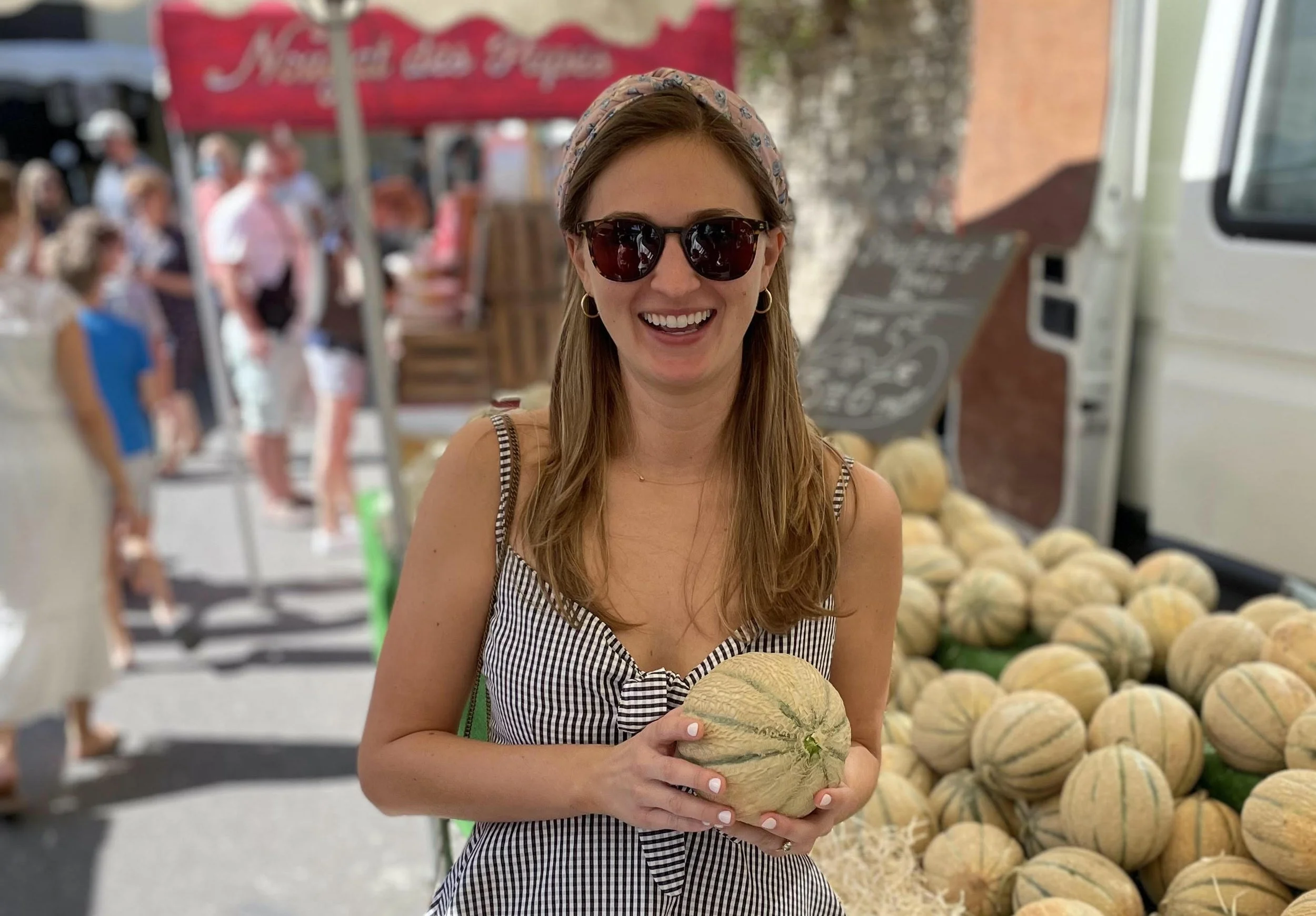
2. Adjusting Meal Timing and Frequency
So what’s the deal with intermittent fasting?
It took me a long time to understand (and believe) that my body not getting my period was a way of telling me it was under some form of stress. It was prioritizing survival over fertility.
Fasting and under-eating can be a form of stress.
I’ve seen a lot around fasting and keeping 6 hours between meals. In a different phase of life, I do see the immense value of fasting and I’m interested in experimenting with it more…
BUT what has worked for me is:
Eating within 30-60 minutes of waking up
Having a light, blood sugar balanced snack if I feel hungry between meals (and not denying myself this when I feel hungry)
Eating before and after working out (e.g. half a protein shake before, half after), and making sure to refuel with carbs in addition to protein afterwards (i.e. half a banana + the half protein shake)
Tip: I’m a huge fan of Pioneer Pastures Chocolate Protein Shakes if I need something quick and protein-packed on the go.
I also eat three satisfying meals.
Breakfast at ~7am, lunch at ~12pm and dinner at ~6pm.
RELATED: My Go-To Blood Sugar Balanced Lunch and Dinners
My husband and I almost always have a little piece of Hu Kitchen dark chocolate before bed around 8pm too. I firmly believe one can be both healthy and enjoy all that life has to offer too (including sweet treats!).
3. Prioritizing 7-9 Hours of Sleep
We’ve all heard the classics: use blue light blocking glasses, no screens 1 hour before bed, put up black out curtains. I actually do most of these.
What I’ve found to be more important though is:
Creating a plan in advance for how you can truly prioritize getting the rest your body needs
For example, my husband and I have 1 and 3 year old boys. In this phase of life, sleep is unpredictable… HOWEVER, we plan in advance who will take the lead on middle of the night child wake-ups and who gets to sleep in while the other gets breakfast ready. This way at least one of us gets extra rest.
10pm bedtime: We also ruthlessly prioritize 10pm bedtime for ourselves. We encourage the other that it’s time to go to bed so we don’t accidentally stay up late mindlessly watching Love Is Blind or reading the next ACOTAR (guilty!).
15-20 min rest or nap, when needed: from age 2 to 33, I told people I was not a napper… UNTIL I learned about “ultradian rhythms”. And now I tell everyone about them:
Everyone knows about “circadian rhythms”, but we also have 90-120 min energy cycles throughout the day called ultradian rhythms. If I feel a lull in energy and close my eyes and lay flat for EVEN JUST 10 minutes (even without sleeping!), that can really help boost energy levels for the rest of the day. If I feel tired and have access to a bed or couch, I give myself the chance to “close my eyes for a second” as I feel like my father would say when I was growing up.
One more thing…
And this can really vary for people: I am incredibly sensitive to caffeine. If I drink a cup of coffee past 12pm, I will have trouble falling asleep at night. I know that about myself, so I don’t drink it past 12pm.
I also recently made the switch to matcha, and while it’s not as tasty, I’ve found the caffeine buzz is way more calming than coffee (L-theanine in green tea leaves can give a calming effect).
How much sleep you need really varies person to person. I’ve found that a consistent 7 hours is good enough for me to wake up feeling rested, but others may need more!
Tip: I avoided wearables for a long time, BUT theOura ring is incredibly helpful to track sleep and waking temperature for ovulation. While we’re on this topic… I also love the Natural Cycles app to track ovulation and fertility.
4. Prioritizing Gentle Work Outs
This is another one where I see a lot of conflicting guidance.
When I lost my period in high school, I was playing 3 sports a season: soccer, volleyball and swimming. Most days, I had 2 practices a day, and when I didn’t have a practice I’d go for a run to “get some energy out”.
Even back then, I noticed that on a rare week where I rested, I would get my period. To this day, I don’t think that was random.
All I was ever used to was HIIT-type exercises that got my adrenaline pumping…
But somewhere I read that that was not the ideal exercise type for promoting hormone balance.
Instead, I started doing:
Short, gentle body weight only exercises (like Melissa Wood Health app)
I recently bought these Bala 2 lb weights to use for some of these classes
Strength training (with a short warm up and just two exercises of 5 sets of 10 reps only, without maxing out)
I don’t use it, but have heard great things about the Ladder app for this
Gentle walking
I walk ~1 mile most days but limit any more activity than that to less than ~1-2 times per week. For some months, I even stopped exercising entirely.
RELATED: 3 Easy Strength Training Exercises That I Do on Repeat
I personally think prioritizing gentler exercises was one of the biggest changes on my own PMOS journey.
If I’m being honest, I was also no longer aiming for being “more fit” and instead being the most “hormonally balanced”. Those are different goals and should be treated that way.
5. Managing Stress
I’ve talked about stress already, but this requires its own section.
I saw for YEARS that stress can be one of the root causes of PMOS. I thought for sure that couldn’t truly be the cause - it can’t possibly have that much impact can it? I’m not really that stressed, am I?
When I got my period back in January, I had two consistent cycles…
Then, I had a big presentation at work, speaking in front of thousands of people. My Oura ring confirmed it was a stressful event.
That month: no cycle.
60 days later I got my period again. Then I started interviewing for a new job.
Those months: no cycles.
It’s actually amazing how my body is protecting me.
It’s the classic fight or flight: if my body feels like it’s getting chased by a tiger, it’s going to prioritize survival. That’s no time to be burdened by the reproductive process, is it?
My question to you is: what is causing you stress? Is there a never ending to do list that gives you angst on Sundays? A project at work that you wake up in the middle of the night thinking about? A home environment that feels unsafe or unclean?
I’ve felt many of these.
Acknowledging that the stress exists is the first step (something I personally denied for years!). Thinking about ways to address those stressors and making some changes (even if they feel like big ones) is the second.
6. The Right Supplements
I mention this last intentionally, and also add a lot of caveats: because supplements should be personalized to an individual’s needs.
Late last year, I got 130+ nutrient and biomarker levels tested.
I used the lab testing through Function Health. It confirmed my hormone imbalance of high testosterone that shows up at every annual, along with some other nutrient deficiencies.
I also started working with a functional medicine practitioner (Dr. Brayton at Hoboken Family Chiropractic + Wellness - she takes virtual appointments!) who specializes in fertility and took a DUTCH test to get a deeper read on my cortisol (stress hormone) levels.
I had seen in my own research that two supplements can help with getting hormones back in balance:
vitex (or chasteberry)
DIM (diindolylmethane)
Guided by the functional medicine practitioner….
I started taking a hormone-supporting supplement blend that included vitex, among other supplements that were tailored to my blood test results, and I kid you not: I got my period within 5 days.
I should mention: I made all the changes previously mentioned before taking supplements, so I was building on an already strong foundation.
After receiving the DUTCH test results, I also layered on DIM. In addition, there are a few other key nutrients that are commonly deficient and can help support ovulation or stress hormone regulation:
vitamin D, magnesium, zinc, B vitamins, and iodine, among others
I only supplemented with the ones where my blood test showed I was deficient, since too much of some of these nutrients can also be harmful.
This is where personalization is key!
Small changes turn into big shifts over time
This may feel like a lot to read all at once… BUT small intentional changes can turn into big shifts over time.
I personally focused on 1-2 changes at a time until they were a habit, and then I moved onto the next change. Listen to your body and see what works for you!
————————
Ready to make lifestyle changes to support your own hormone balance?
Schedule a free 45-minute Health Coaching consultation or check out some of my resources!
